


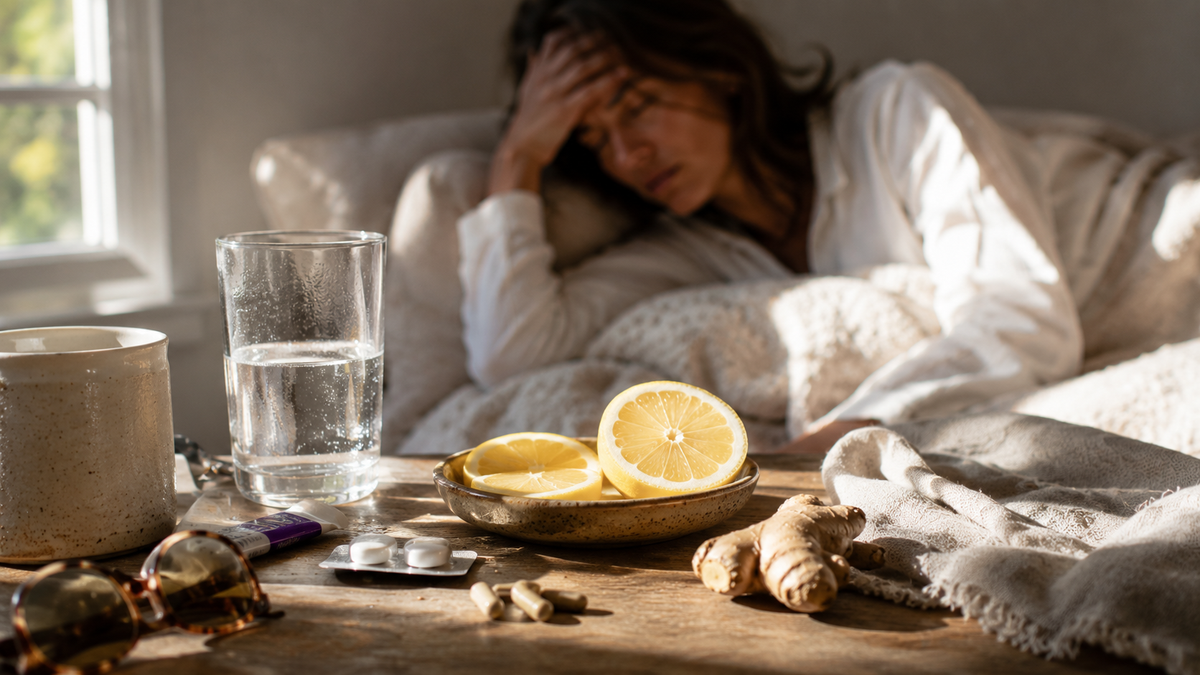
Hangover Symptoms Explained: Nausea, Shakes, and Headaches
The most common hangover symptoms - nausea, shakes, and headache - all trace back to the same handful of underlying causes: dehydration, a drop in blood sugar, stomach irritation, and a temporary rebalancing of brain chemistry. Which symptom hits hardest varies person to person, but the mechanisms behind them overlap more than the symptoms themselves suggest.
What Causes Hangover Nausea?
Alcohol is a direct irritant to the stomach lining, and it can increase stomach acid production while reducing the protective mucus layer that normally shields the stomach from that acid. That combination is a major driver of hangover nausea. Dehydration compounds it - lower fluid levels affect the digestive system broadly, adding to the queasy, unsettled feeling that often shows up alongside stomach discomfort.
What Causes Hangover Shakes?
Alcohol shifts the balance between the brain's calming and stimulating chemical systems — enhancing the inhibitory neurotransmitter GABA while suppressing the excitatory one, glutamate, is a big part of why drinking feels relaxing in the moment. As alcohol clears the body, that balance swings back, and the temporary rebound in nervous system activity is a leading explanation for shakiness the next day. A drop in blood sugar contributes too: alcohol interferes with the liver's ability to release stored glucose, and low blood sugar produces tremor and shakiness on its own.
What Causes a Hangover Headache?
Dehydration is the biggest factor here. Alcohol suppresses vasopressin, the hormone that signals your kidneys to retain water, which is why you lose more fluid than you take in over a night of drinking. Lower fluid volume affects blood flow and pressure in ways that are strongly linked to headache. Blood sugar drops can independently trigger headache as well, which is part of why headache so often shows up alongside the other symptoms on this list rather than on its own.
Why Symptoms Cluster Together
Dehydration, blood sugar swings, and nervous system rebound aren't separate hangovers happening at once - they're overlapping effects of the same handful of causes, which is why nausea, shakes, and headache tend to arrive as a set rather than in isolation.
Where Purple Tree Fits In
Purple Tree's Post-Celebration Wellness formula includes electrolytes and B vitamins alongside Milk Thistle and Liposomal Glutathione - ingredients many people build into their routine to support hydration and liver function* during and after drinking. It's not a way to prevent these symptoms outright, but it's part of how a lot of customers approach the morning after.
Frequently Asked Questions
Why do I get hangover nausea but not shakes, or the reverse?
The underlying causes overlap, but individual sensitivity varies — some people are more affected by blood sugar swings, others more by dehydration or stomach irritation, which is part of why hangover symptoms differ so much person to person.
How long do hangover shakes usually last?
For most people, mild shakiness resolves within a day as hydration, blood sugar, and nervous system activity return to normal. Shaking that's severe, persistent beyond 24 hours, or accompanied by other concerning symptoms is worth discussing with a healthcare professional.
Does eating help with hangover nausea?
Eating can help stabilize blood sugar, which addresses one contributor to nausea, though stomach irritation may make eating uncomfortable in the short term. Small amounts of bland food are generally better tolerated than a large meal.
Sources
- Drinkaware. "Is Alcohol Harming Your Stomach?"
- Alcohol Research & Health. "Alcohol and Neurotransmitter Interactions." National Institute on Alcohol Abuse and Alcoholism.
- Yokoyama H, et al. "Combination of Alcohol and Glucose Consumption as a Risk to Induce Reactive Hypoglycemia." Journal of Diabetes Investigation.
- Taivainen H, et al. "Role of Plasma Vasopressin in Changes of Water Balance Accompanying Acute Alcohol Intoxication." Alcoholism: Clinical and Experimental Research, 1995.
*These statements have not been evaluated by the FDA. This product is not intended to diagnose, treat, cure, or prevent any disease. Purple Tree will not prevent intoxication or alcohol poisoning. Please drink responsibly and never drink and drive.